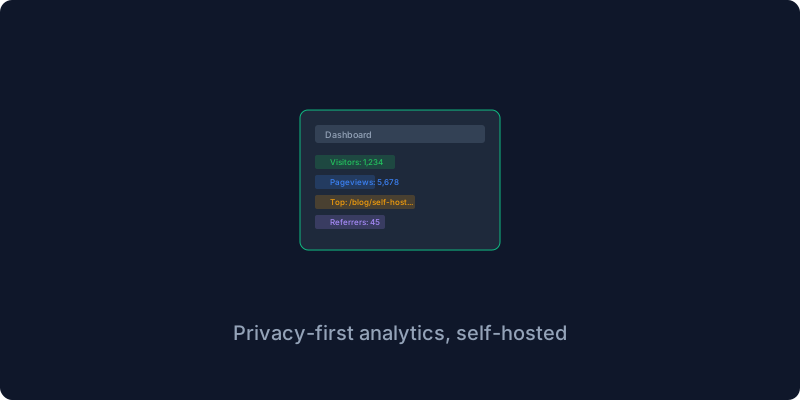
I Replaced Google Analytics with Plausible and My Site Got Faster
Google Analytics was slowing my site down and selling my visitor data. Plausible is privacy-first, lightweight, and self-hosted.
troysk · 2 min read
guideanalyticsdocker
30 articles
Google Analytics was slowing my site down and selling my visitor data. Plausible is privacy-first, lightweight, and self-hosted.
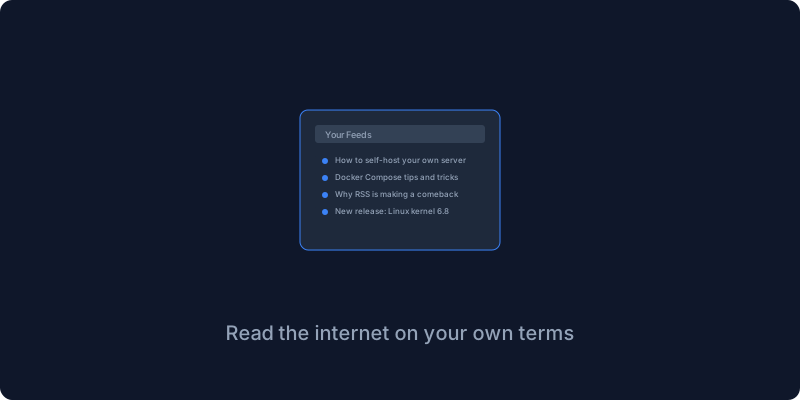
I was subscribed to 50 blogs via email. My inbox was chaos. FreshRSS lets me read them all in one clean interface.
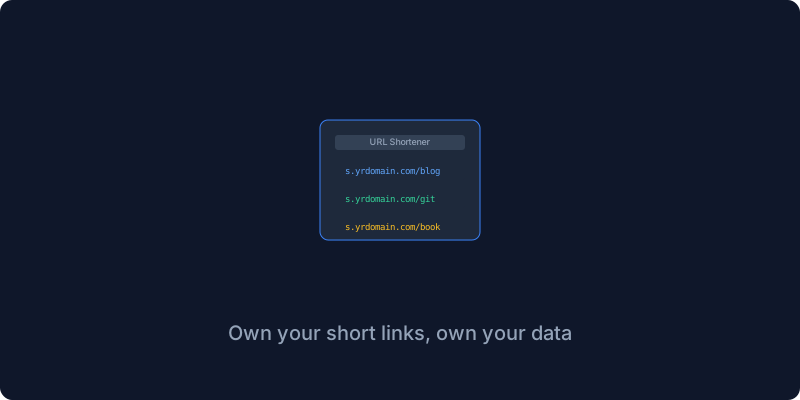
Bitly is fine until they want $40 a month for custom domains and analytics. Shlink does the same thing on my server for free.
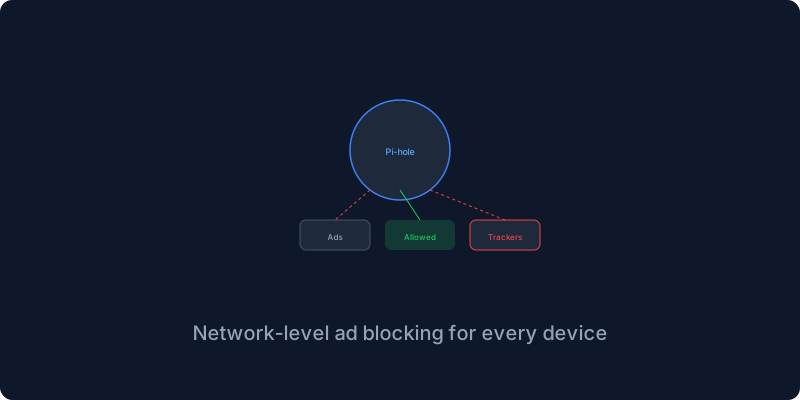
I installed Pi-hole on a Raspberry Pi. It now blocks ads, trackers, and malware at the network level. Every device in my house is protected.
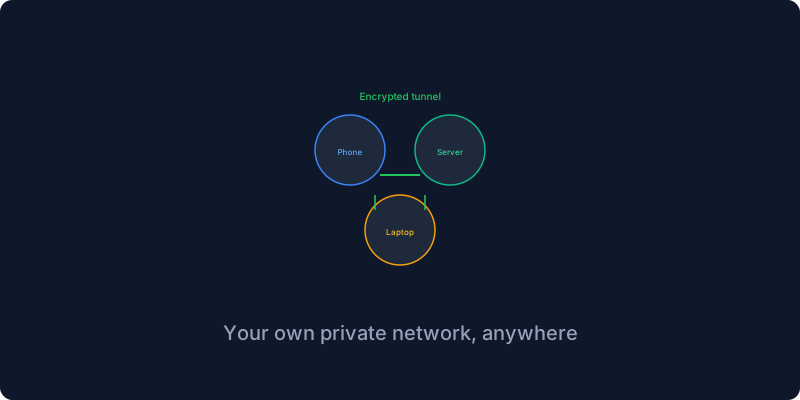
Tailscale is amazing but depends on their servers. Headscale lets you run the same thing on your own infrastructure.
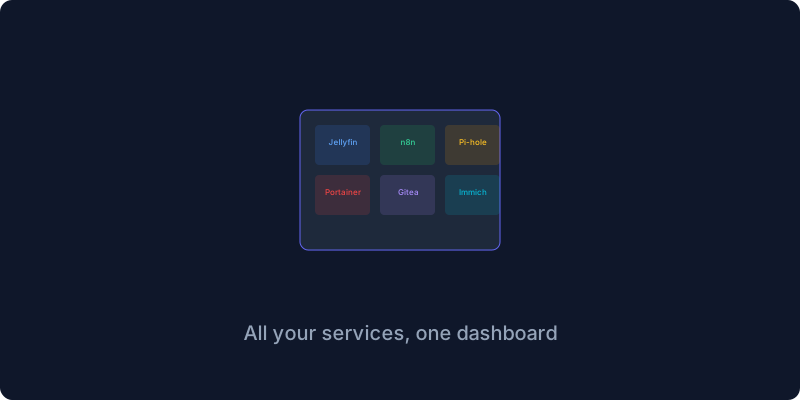
I had 15 services running and kept forgetting which port was which. Homarr gave me a single page to see everything.

My grandmother's recipes were on handwritten cards. Now they are in a searchable, self-hosted recipe manager I can access from my phone while cooking.
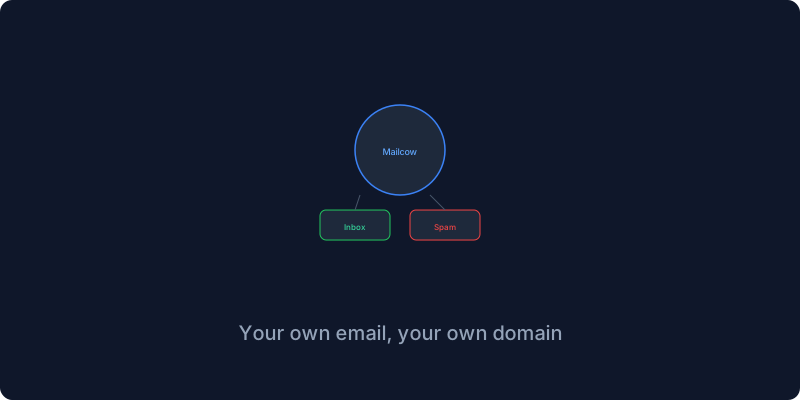
Setting up a mail server is terrifying. You will mess up DNS. You will land in spam folders. And then it will work and you will feel unstoppable.
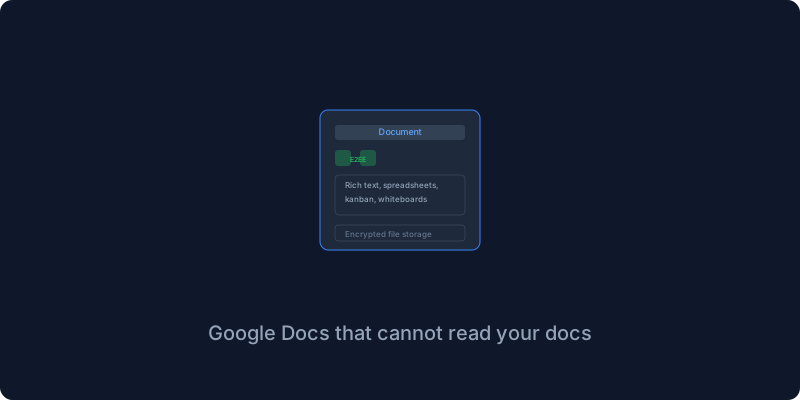
I stopped editing documents on Google Docs after realizing they train AI on my content. CryptPad is encrypted, collaborative, and self-hosted.
Slack wanted $12/user/month for the privilege of searching our own messages. Mattermost does everything Slack does on our server.

GitHub is great until you want to own your code. Gogs is the lightest Git server ever written and it runs on a Raspberry Pi with 64MB RAM.

Calendly is convenient. But $16 a month for letting people book time on my calendar? I built the same thing with Cal.com for free.
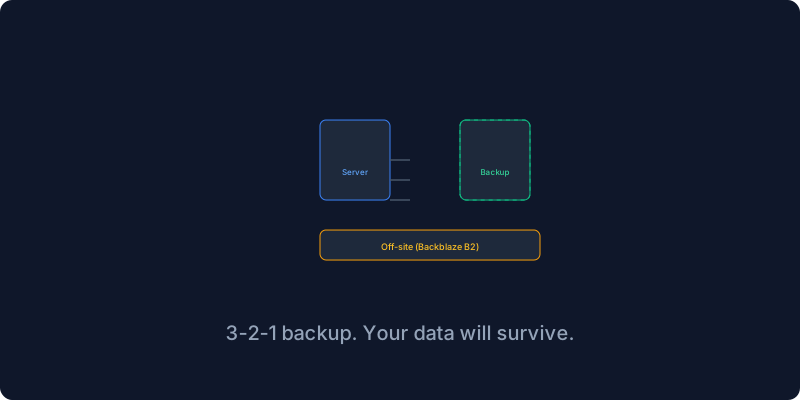
I lost 2TB of data because I thought 'it will be fine.' Then I built a backup strategy that actually works.
My smart home was dependent on the internet. When the ISP went down, my lights stopped working. Home Assistant fixed that.
I got tired of paying OpenAI $20 a month and having my conversations on their servers. Now I run local LLMs on my own hardware.
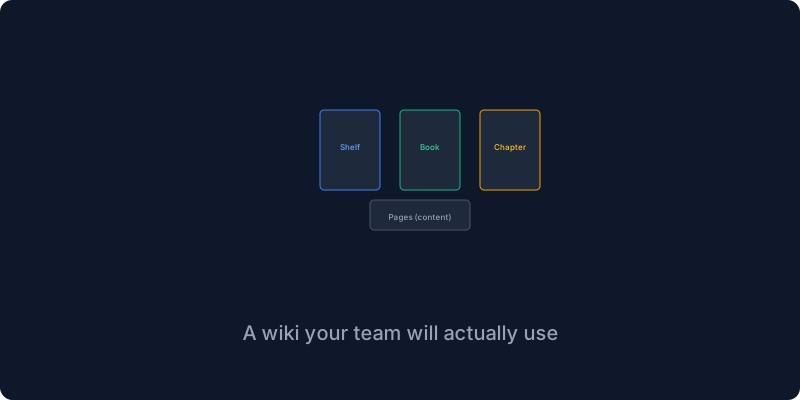
Our team had documentation scattered everywhere. Google Docs, Notion, Slack messages. BookStack gave us one place to keep everything.

LastPass got breached. Then 1Password raised prices. I built my own password manager with Vaultwarden and it is actually better.
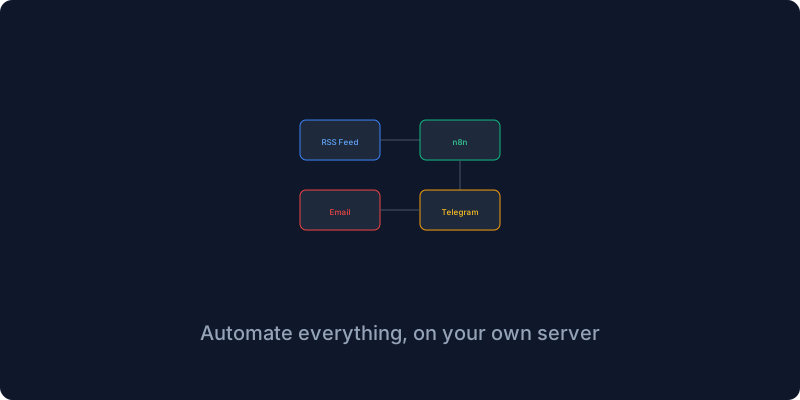
Zapier wanted $74 a month for the plan I needed. n8n does the same thing on my server for free. The math was simple.
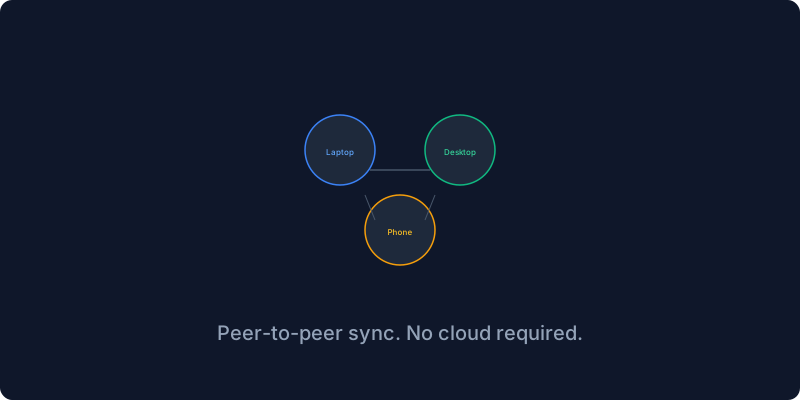
I needed my files on all my devices. I did not want to pay for Dropbox or trust Google. Syncthing syncs everything peer-to-peer.
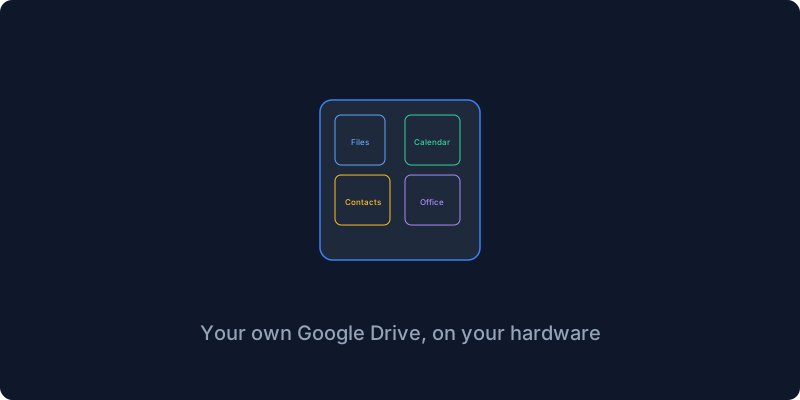
I replaced Google Drive, Google Calendar, and Google Docs with one Docker container. My data, my server, my rules.

Google Photos stopped being free. Then they started scanning my images. I left and built something better with Immich.

I got tired of albums disappearing from Spotify. Navidrome let me take my music back and it sounds better too.
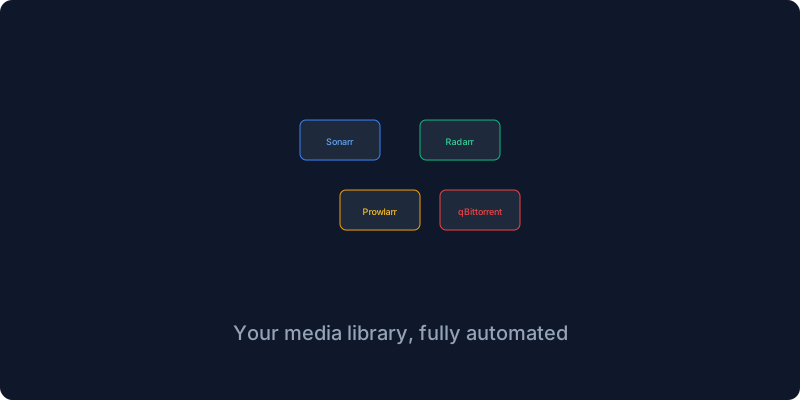
I used to download things manually. Then I automated the entire pipeline and forgot what manual meant.

Netflix raised their prices again. I left and built a better version with Jellyfin. The only regret is not doing it sooner.
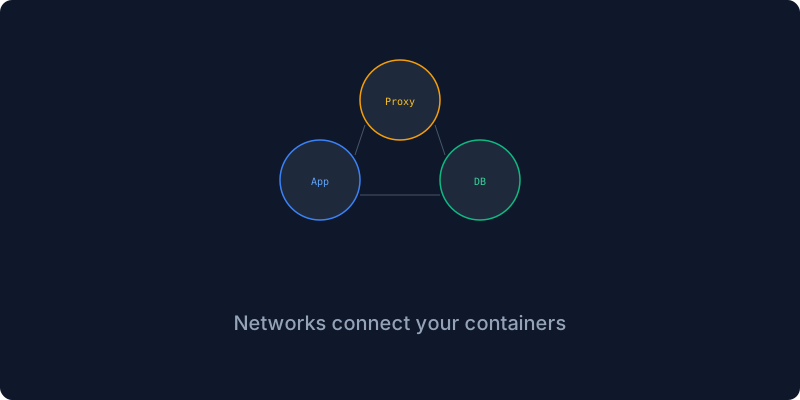
I used Docker for two years before I understood networks. Do not be me.
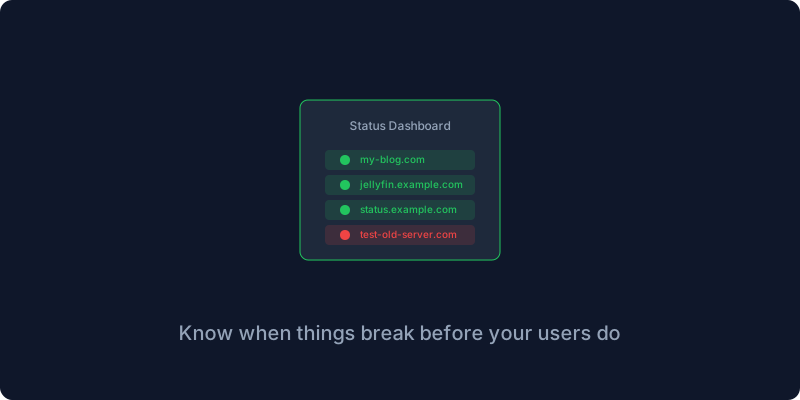
I thought my services were fine. They were not. Here is how Uptime Kuma saved me from finding out the hard way.
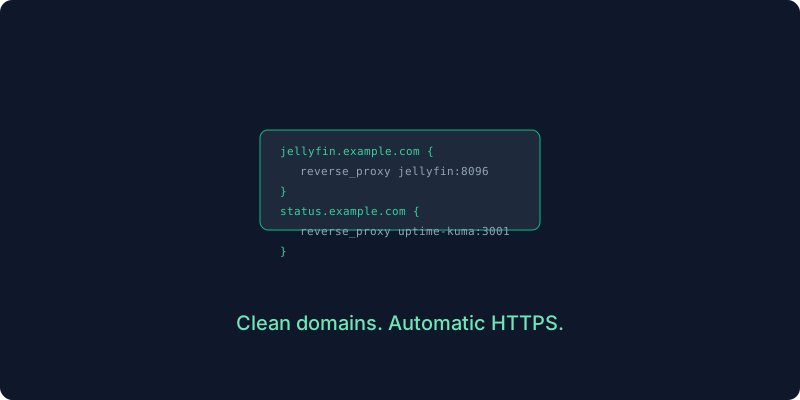
You have services running on random ports. You connect by remembering numbers. There is a better way and it takes five minutes.
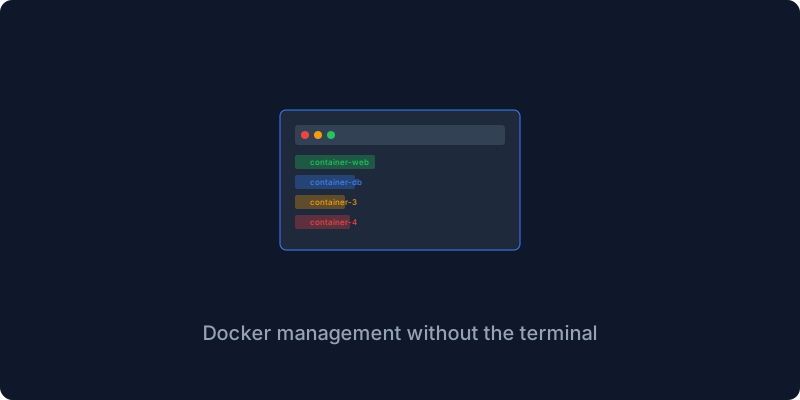
I used to live in the terminal. Then I installed Portainer and realized I was just doing things the hard way.
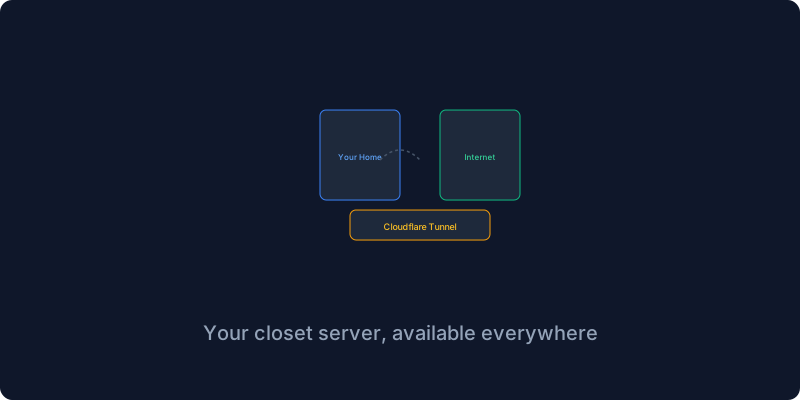
I was paying $60/month for cloud VPS. Now everything runs on an ITX PC in my closet — and Cloudflare Tunnel makes it feel like a datacenter.
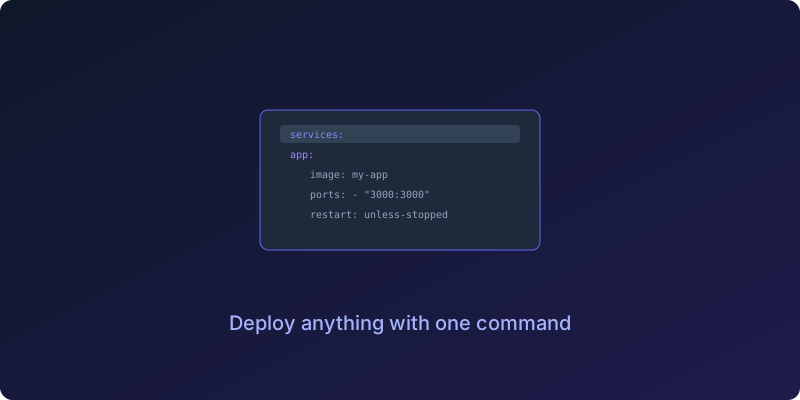
Stop installing things manually. Learn how Docker Compose simplifies self-hosting so you can deploy services in seconds.